Fire Door
What are Rolling Fire Doors?
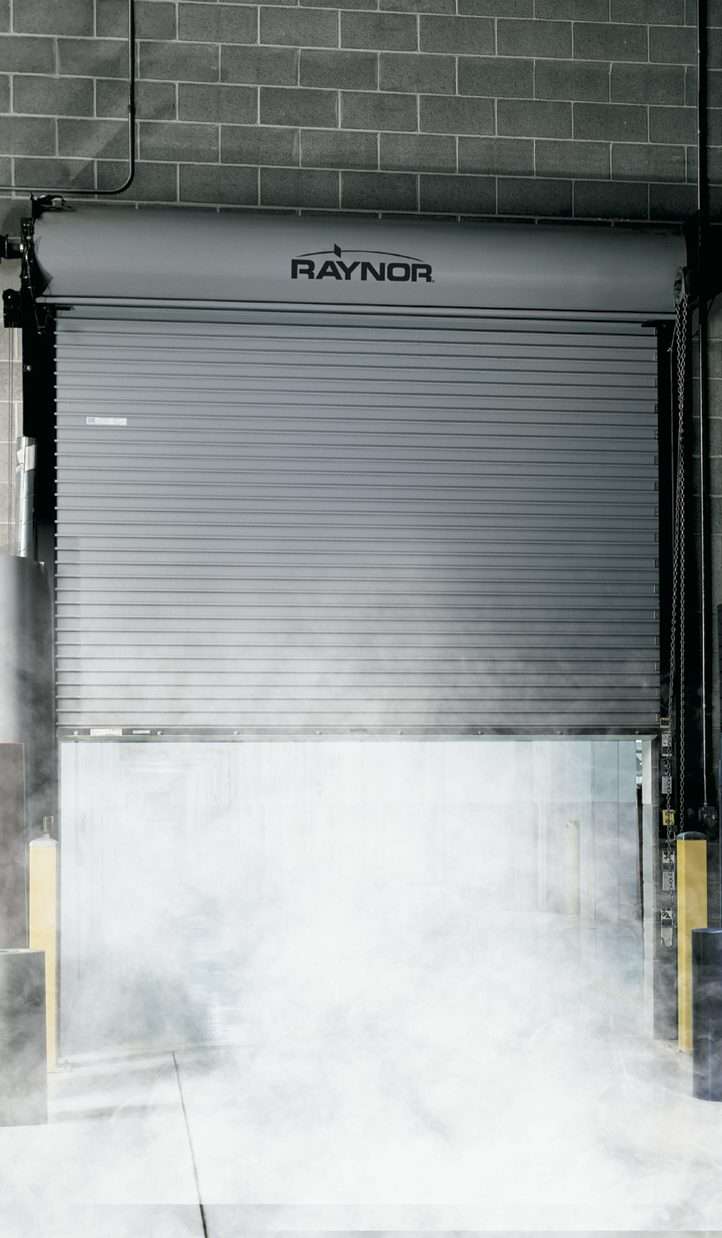
Rolling fire doors are rolling steel service doors that are tested and certified to stand up to fire for a given amount of time. Rolling fire doors are a critical part of a building’s fire and life‑safety system.
What Rolling Fire Doors Do in a Fire Emergency
Rolling fire doors are designed to prevent the spread of fire, smoke, and toxic fumes by automatically closing when triggered by a fire alarm or fusible link. They compartmentalize a building byautomatically protecting openingsto limit property damage. This containment function is essential because it slows fire progression and gives occupants and first responders more time to act. These doors also support the broader fire protection system by maintaining the integrity of fire barriers and providing a physical shield when suppression systems may be compromised.
Rolling fire doors are used in warehouses, schools, retail spaces, industrial facilities, mixed‑use buildings, and any structure where large openings must be protected without sacrificing daily functionality.
Why Rolling Fire Doors Are Required
Fire codes require rolling fire doors in locations where openings penetrate fire‑rated walls or partitions. Their purpose is to maintain the fire rating of that barrier. When properly installed and maintained, they:
- Contain fire and smoke within a designated area
- Provide a secure barrier during emergencies
- Reduce structural damage and downtime
- Support firefighter operations by limiting fire spread and controlling airflow
These doors are part of a building’s overall fire protection strategy and must remain fully operational at all times.

Annual Testing Requirements (NFPA 80)
Rolling fire doors are legally required to be inspected and tested at least once per year under NFPA 80, the national standard governing fire door assemblies. NFPA 80 mandates that:
- Fire door assemblies must undergo a full annual inspection and drop test.
- A written record of the inspection must be signed and kept for review by the Authority Having Jurisdiction (AHJ).
- The door must also be tested at installation and not less than annually thereafter, even if it is rarely used or normally kept in the closed position.
- Inspections must verify that guides, curtains, endlocks, bottom bars, hoods,operating mechanisms, release devices, and release system are free of damage or conditions that could prevent proper operation.
Annual testing ensures that the door will close properly during a fire event and that no wear, damage, or obstructions compromise its performance.
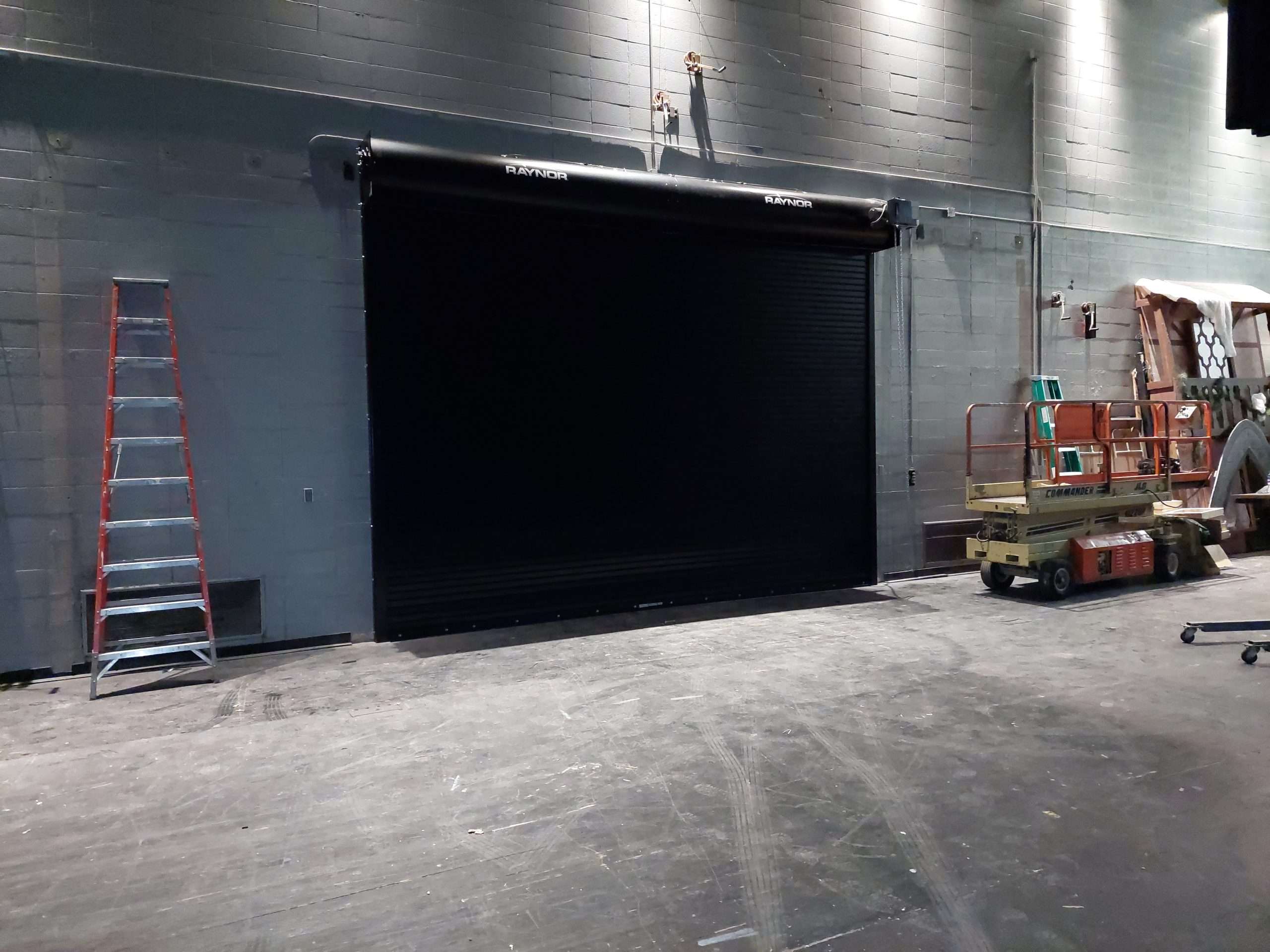
Common Sense Reasons to Drop Test Your Fire Door
Aside from the legal reasons that you should have your rolling fire door tested annually, there are many common-sense reasons that you should:
- Life safety should never take a backseat and doors should be tested annually because keeping people safe is the right thing to do.
- Should a fire door fail to drop, fire will spread quickly and rapidly to other parts of the building. Fire doors contain the fire spread, reducing damage overall.
- Your commercial insurance may find that you failed to maintain critical, life safety equipment and choose to drop you. This can expose your company to major liability and potentially very large fees, fines, or judgements against you.
- Your company may be on the hook for negligence even if the door does drop. Not having annual testing records puts your company at risk of finding a pattern of negligence.
Certified & Factory‑Trained Technicians
Rolling fire doors require specialized knowledge to install, test, and service safely. Higgins Overhead Door’s technicians are certified and factory‑trained, meaning they understand:
- NFPA 80 inspection and testing procedures
- Proper drop‑test methods
- Resetting and re‑arming fire door mechanisms
- Diagnosing and correcting operational issues
- Ensuring compliance with local and national fire codes
- Documenting inspections for AHJ review
Because rolling fire doors are life‑safety devices, improper service or untested fire door systems can create serious liability and safety risks. Certified technicians ensure that every door operates exactly as designed and meets all code requirements.
What Customers Can Expect During an Annual Fire Door Test
A complete NFPA 80‑compliant inspection typically includes:
- Visual inspection of all components for wear or damage
- Operational test to confirm smooth movement
- Full drop test, twice, to verify automatic closing
- Resetting and re‑arming the door
- Documentation of all findings, corrective actions, and of the drop tests themselves
- Recommendations for repairs, adjustments, or complete replacement if needed
This process ensures the door will perform reliably in an emergency and keeps the building compliant with fire codes.
Why Certified, Professional Service Matters
Rolling fire doors are heavy, complex, and tightly regulated. Professional service ensures:
- Code compliance
- Reduced liability
- Reliable emergency performance
- Longer equipment lifespan
- Proper documentation for inspections and audits
Higgins Overhead Door’s certified team provides the expertise needed to keep these critical safety systems functioning exactly as intended.

Higgins Overhead Door is proud to offer Raynor’s FireCoil rolling fire doors, FireCurtain rolling fire shutters, and FireHoist fire door operators. When fire protection and safety are crucial, you can count on Raynor’s complete line of rolling fire-rated products installed by Higgins Overhead Door’s certified and factory-trained technicians. Reach out today to schedule a consultation or request a free estimate.